
Communicating with your non-verbal child

Communicating with your non-verbal child
My coach does not like the word non-verbal, she prefers pre-verbal and I tend to agree with her. Max can say words, but cannot do sentences yet, which kind of negates being non-verbal. It is a term bandied about and sometimes it is just easier to refer to your child as non-verbal without going into long explanations, but try pre-verbal and see how the word feels in your body. For me it feels a little more hopeful, freeing and determined to encourage my son to start increasing his vocab and getting to sentences.
We all have various challenges in the communication department, some children can talk, but are mostly echoic, others will say things which they don’t intend and some will make sounds and some say words. Yet they all communicate, which is great news. Now we have to get them to the point where they can communicate sufficiently to make their needs known. And this is important because we want to know if they are uncomfortable or in pain, we want to know how we can support them, if they are hungry or that something is bothering them.
Communicating with yuour non-verbal child
Almost all our children have behaviours that stem from not being able to make their needs known. They may have meltdowns, they may have problem behaviours, like my son. When he gets really anxious or seemingly excited, he will scratch, kick or push others. So it is important to learn what their cues are and help them to express what is going on for them.
Remember the absence of the spoken word does not mean the absence of communication or the fact that they don’t understand. Herewith some tips:
1. Embrace pre-verbal communication
Start by paying attention and embracing your child’s pre-verbal cues. These may look like gestures, facial expressions and body language. What is your child interested in by following their gaze or noticing what they point at. Acknowledge and respond to these pre-verbal attempts at communication to reinforce their efforts and build confidence. Also say the word and ask them to repeat.
Right now we are practicing this with my son, Max. If he wants to, he has to ask for it before we give it to him. He loves his food, so a lot of his words revolve around food.

Supporting Families with Autistic Children
As a qualified life coach and a parent of an autistic child, I bring a unique blend of professional expertise and personal understanding to my work with families dealing with autism. My journey as a parent has equipped me with firsthand insights into the challenges and triumphs that come with raising an autistic child.
I specialise in offering tailored support and compassionate guidance to families navigating similar paths.
My approach is empathetic and informed, focusing on empowering families to not only manage but also to celebrate the unique aspects of life with an autistic child. Through personalised coaching sessions, I provide effective strategies, support for enhancing family dynamics, and techniques for positive communication.
My goal is to help families foster a deeper understanding of autism and find balance and joy in their lives.
2. Visual supports
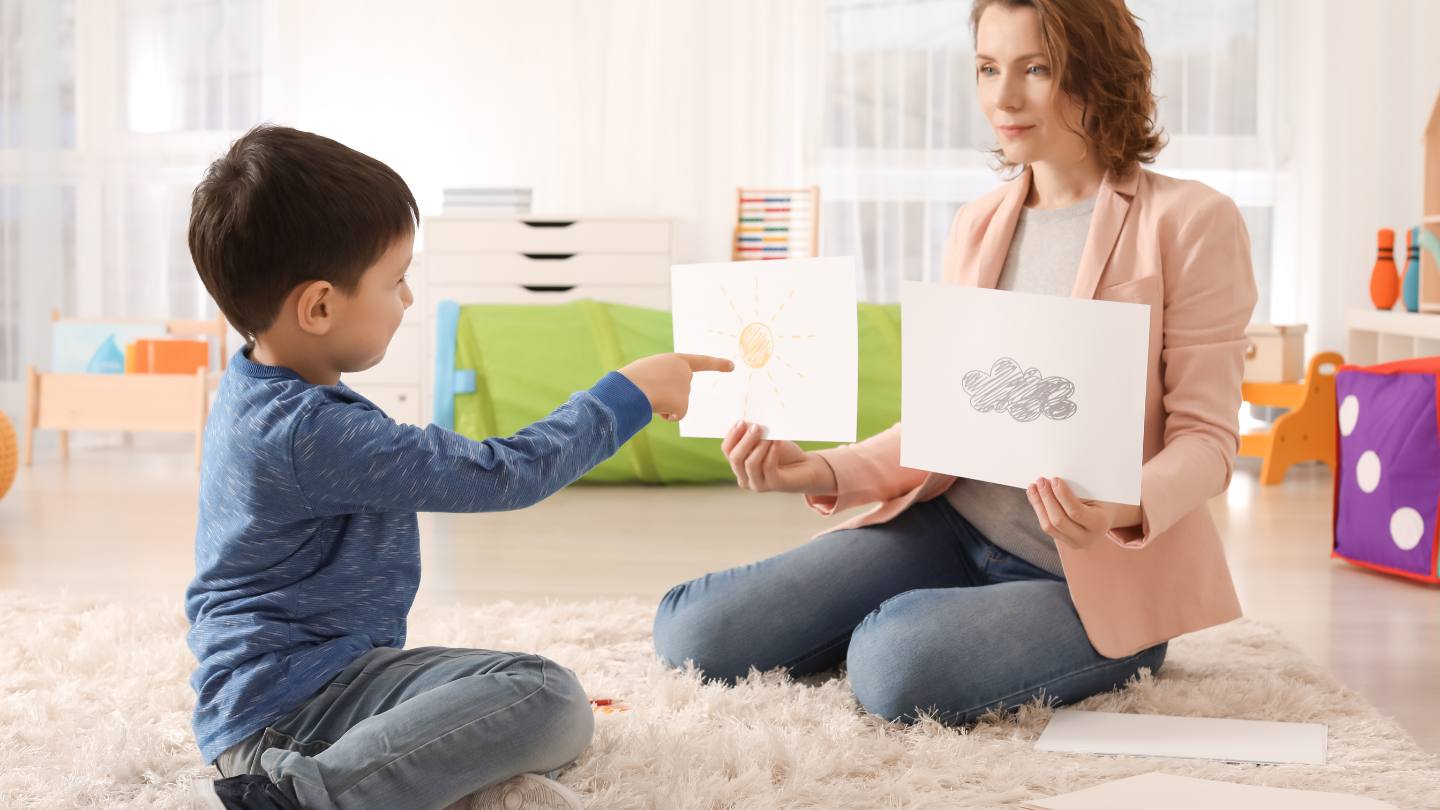
Visual supports can significantly aid communication with pre-verbal children. You can use PECS, visual schedules and communication boards to help children understand daily routines and express their needs or feelings. They can point to pictures to let you know what they want or need. Max uses Spell 2 Communicate boards to “verbalise” what he wants to say. The idea is that this is a stepping stone to a keyboard. Bearing in mind that a lot of children struggle with motor skills (which means that they have to learn to control their body parts eg arms, fingers, legs etc).
3. Incorporate Assistive Technology
A few weeks ago I wrote an email around AI and how this can help with our children. There are speech-generating devices and tablet apps designed to give our children a voice. These tools can be customized to suit individual needs and preferences, making communication more engaging and effective. Some of the apps that I am looking at are: Proloquo2Go (symbols & phrases), Touch Chat (text to speech), Predictable (text to speech for speech difficulties), AAC Speech Buddy (boards with images & texts), LAMP Words for Life (builds language skills) and Grid 3 (touch, switch, eye gaze). One of these may help you and your child.
4. Create opportunities for choice
Offering choices is a simple yet powerful way to encourage communication. Whether it’s choosing between 2 snacks or selecting a book to read. Presenting options to your child also helps them feel in control of the process as often they don’t often have the chance to feel in control.
Communicating with your non-verbal child
5. Create a communication-friendly environment
Create an environment that encourages and rewards all attempts at communication. This means being patient, providing ample time for your child to respond, and celebrating successes, no matter how small. If your child is specifically interested in something, you can use it as reinforcement tool when trying to teach them communication. As mentioned, if my son wants a biscuit, he has to say biscuit and he gets rewarded with a biscuit. These kinds of reinforcements can be used in other areas of teaching your child, like to potty train them or to avoid problem behaviours or to get them to do something.
6. Engage in play and social stories
Play is a natural way for children to learn and communicate. Through play, children can express themselves, practice social interactions and develop language skills. Using social stories can also help them understand social cues and appropriate responses in various situations. Tailor these stories to your child’s experiences to make them more relatable and effective. Max loves stories so I read to him every night. He has an interest in dinosaurs, space, science and animals. So in between these topics I will also read him fiction eg Max Einstein, which he loves.
7. Consistency and routine
Our babies thrive on consistency and routine. Establishing a predictable daily schedule can reduce anxiety and create a sense of security, making it easier for them to focus on developing communication skills. Within this routine, incorporate specific times dedicated to communication activities, ensuring a structure approach to skills development.
8. Collaborate with a team of professionals
Working with speech therapists, occupational therapists and special educators who specialize in autism can provide tailored strategies and support for enhancing communication. Work closely with them and let them know what you want and what your goals for your child are. They can then offer insights to help you and guide you in implementing effective communication techniques that you can use at home.
9. Celebrate
Remember to celebrate any form of communication. Even the not so pleasant ones, the tantrums, the meltdowns, the problem behaviours. They are showing you how they are feeling and it is up to us to figure out how to help them and let me tell you, you need some out of the box thinking.
10. Support
Connect with professionals and other families facing similar challenges as they provide a network of support, understanding, shared experiences and love. I genuinely believe that you will find all these things and more in this community.
We have to remember that each of children has a voice, even if it’s not spoken and we can unlock the door to more meaningful interactions and a deeper bond with them. The goal is to ensure that our children feel heard, understood and loved and to create a foundation for their growth and development.
Till next week
A
Xxx
Would you like your child communicate with you? I can help you. Click HERE for a free consult and I can show you how we can work together.
To subscribe ~ see the form below👇👇👇