
Anxiety & Autism

Anxiety & Autism
One of the more common challenges that we as parents face is helping our child manage anxiety. Anxiety is, unfortunately, prevalent in autistic children and can significantly impact their quality of life. Understanding why anxiety manifests in autism, recognizing its signs and learning hour to support our children can make a world of difference.
Because autistic children have issues with social interaction, communication and behaviours, they also experience heightened sensitivity to sensory stimuli, rigid thinking patters and difficulty with change, all of which contribute to anxiety.
- Many autistic children have heightened or diminished sensory sensitivities. Environments that may seem normal to others can be overwhelming, leading to anxiety. Bright lights, loud noises or even certain textures can trigger a sensory overload, causing a lot of distress.
- Our kids often struggle with understanding social cues, making social interactions challenging and anxiety-provoking. The fear of misunderstanding or being misunderstood can lead to social anxiety.
- Many autistic children thrive on routine and predictability. Unexpected changes or transitions can be incredibly stressful, leading to anxiety about what will happen next.
- They often have rigid thinking patters and may struggle with flexible thinking. This rigidity can make it difficult to cope with changes or uncertainty, increasing anxiety levels.
Anxiety & Autism
Anxiety can manifest differently in autistic children compared to their neurotypical peers. It is important for parents to recognize these signs to provide appropriate support.
- Increased irritability, aggression or self-injurious behaviours can be indicators of anxiety. Your child might also exhibit repetitive behaviours, such as rocking, hand flapping or repeating certain phrases.
- Anxiety can cause physical symptoms like stomach aches, headaches, sweating or rapid heartbeat. Autistic children might also show signs of restlessness or have difficulty sleeping.
- Your child may avoid certain situations, places or people that trigger anxiety. This avoidance can lead to social isolation and withdrawal.
- Heightened sensory sensitivities can become more pronounced when your child is anxious. They might cover their ears, close their eyes or become more selective about foods and clothing.

Supporting Families with Autistic Children
As a qualified life coach and a parent of an autistic child, I bring a unique blend of professional expertise and personal understanding to my work with families dealing with autism. My journey as a parent has equipped me with firsthand insights into the challenges and triumphs that come with raising an autistic child.
I specialise in offering tailored support and compassionate guidance to families navigating similar paths.
My approach is empathetic and informed, focusing on empowering families to not only manage but also to celebrate the unique aspects of life with an autistic child. Through personalised coaching sessions, I provide effective strategies, support for enhancing family dynamics, and techniques for positive communication.
My goal is to help families foster a deeper understanding of autism and find balance and joy in their lives.
Anxiety & Autism
As parents, there are several strategies you can employ to help your autistic baby manage anxiety. These approaches can create a supportive environment that fosters emotional well-being.
- Creating a predictable daily routine can help reduce anxiety. Visual schedules or calendars can provide a clear structure for your child, helping them understand what to expect throughout the day.
- Designate a calm, sensory-friendly area where your child can retreat when they feel overwhelmed. This space should be quiet and filled with comforting items like favourite toys, weighted blankets or calming lights.
- Teach your child with coping strategies to manage anxiety. Deep breathing exercise, progressive muscle relaxation or mindfulness techniques can be effective. Social stories or visual aids can help explain these techniques in an accessible way.
- Communicate in a way that your child understands. Use simple, clear language and visual supports to convey information. Prepare your child for changes in routines by explaining what will happen and when.
Professional help
- Occupational therapy and sensory integration therapy can help your child manage sensory sensitivities. Providing sensory tools like noise-cancelling headphones or fidget toys can also be beneficial.
- Social skills training can help your child navigate social interactions more confidently. Role-playing, social stories and structured social groups can provide practice in a safe environment.
- Professional support from mental health professionals who specialize in autism anxiety will help with the management thereof. Additionally, a pediatrician can discuss medication options if necessary.
- Our kids often look to us for cues on how to react in stressful situations. By modelling calm and composed behaviour, you can help your child feel more secure and less anxious.
Strengths & Feelings
- Focus on your child’s strengths and interests to build their confidence and provide a sense of accomplishment. Engaging in activities they enjoy can be a great way to reduce anxiety and promote positive, calm feelings.
- Encourage your child to express their feelings and anxieties. It can also help if you assist them in naming the feeling and show them appropriate ways to express them. Let them know it’s ok to feel anxious and that you are there to support them. Providing a safe and non-judgmental space for them to talk about their worries can be very comforting.
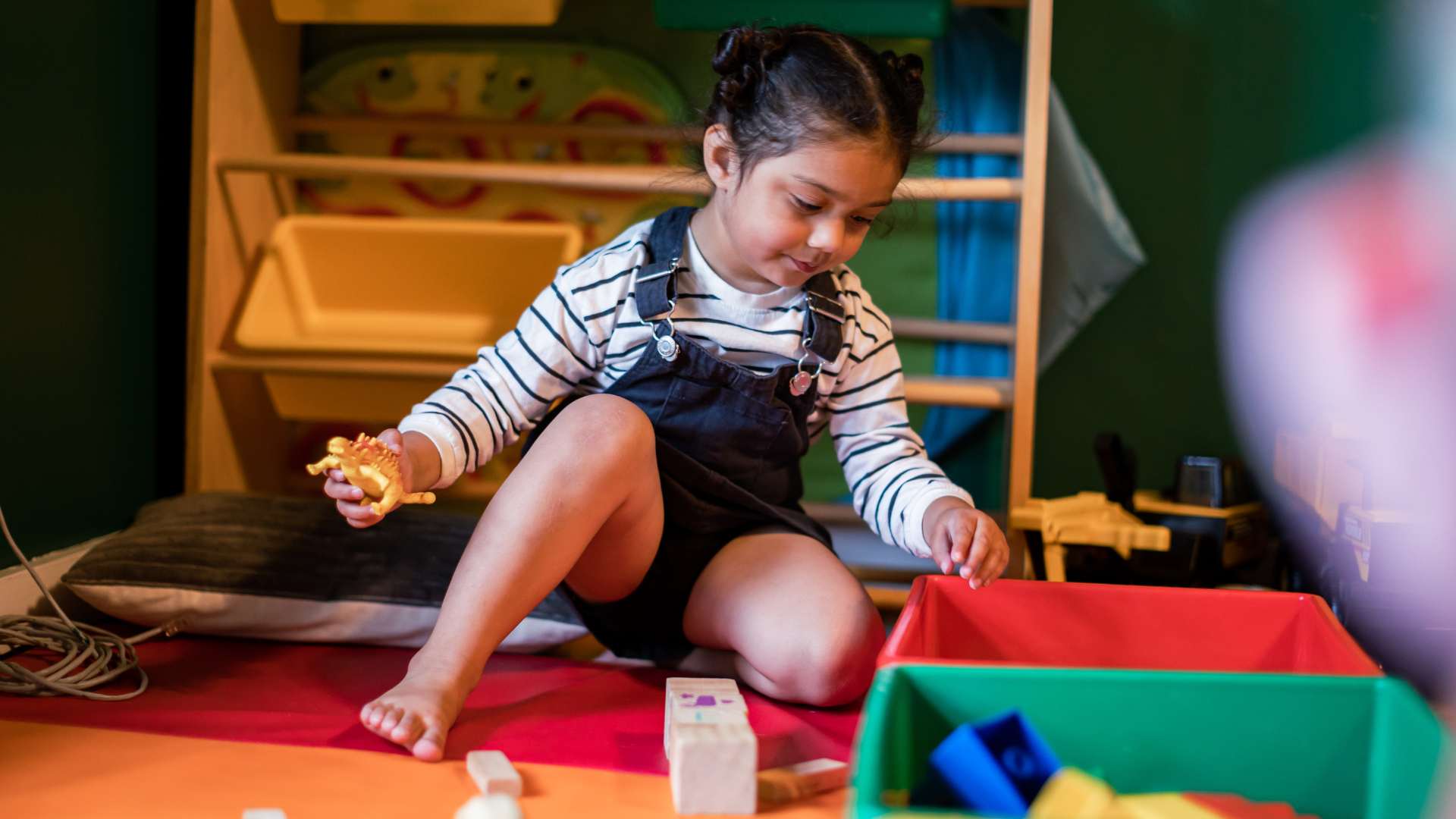
Again all our autistic babies are different and will show anxiety in a variety of ways. Pay attention to them, see what makes them anxious and address those in a manner that helps your child.
Till next week.
A
Xxx
Anxiety in our kids can lead us to be anxious as well, which in turn escalates their anxiety. It is important for us to manage our own anxiety first in order to help our children. If you find yourself anxious about a lot of things, I can help you. It is easier than you think. Sign up for a free consult. Click HERE.
To subscribe ~ see the form below👇👇👇